
Shark Tooth Hunting in Southern Maryland: Your Guide to Finding Prehistoric Treasures
Did you know Southern Maryland is home to some of the East Coast’s best shark tooth hunting? Located just five minutes from our Lusby Sneade’s Ace Home Center, Calvert Cliffs State Park is one of the area’s most popular destinations for discovering prehistoric shark teeth that have been hidden for millions of years.
Looking to explore even more? Other favorite local shark tooth hunting spots include Flag Ponds Nature Park, Bayfront Park (Brownie’s Beach), Matoaka Beach Cabins, Newtowne Neck State Park, and Snow Hill Park.
Before you head out on your adventure, be sure to come prepared with plenty of drinking water, sun protection, comfortable footwear, and, of course, a DIY sand sifter to help uncover those hidden treasures.
To celebrate Shark Week this July, we’ve put together everything you need to get started! Follow along as we show you how to build your own sand sifter using supplies from your local Sneade’s Ace Home Center, share tips for finding shark teeth, and help you identify which prehistoric shark your newest discovery came from. Happy hunting!
Building a sand sifter
Materials:
- 1/2″ x 1/2″ slip PVC elbows SKU: 43122
- 4 pieces of 1/2″ PVC pipe SKU: 44875
- metal screen SKU: 54065
- zip ties SKU: 3004720
- super glue SKU: 1590512
- pipe insulation SKU: 4000940
Build the frame.
To build your frame you need 1/2″ x 1/2″ slip PVC elbows and 4 pieces of 1/2″ PVC pipe. Cut the PVC according to your desired lengths to make your sifter as big or as small as you would like. We recommend using 1′ or 2′ pieces for this project.
Assemble the frame.
Once you have your pieces gathered, assemble them into a rectangle using the elbows to attach the 4 pieces of PVC together.
Measure and cut the screen.
Get a piece of metal screen with holes no bigger than ¼ inch. Measure your screen to fit your rectangle while leaving a couple inches of overhang to make attaching it easier.
Attach the screen.
Using zip ties, secure the screen to your frame while pulling the screen tight. If necessary, use super glue to seal the edges not secured with zip ties.
Add the pipe insulation.
Measure your pipe insulation to fit your frame. The insulation already has a slit down the side, allowing it to slide right onto the frame.
Secure the insulation.
Use zip ties to secure the insulation to your frame. This step isn’t necessary, but it allows your sifter to float while you’re sifting.

How to Find Shark Teeth Like a Pro
Now that you’ve built your sand sifter, it’s time to head to the beach and start hunting for prehistoric treasures!
The best time to search for shark teeth is during low tide or after a storm, when waves have uncovered fresh layers of sediment. Once you arrive, look for areas where shells, gravel, and darker sediment have collected along the shoreline. These natural deposits are often the best places to find shark teeth and other fossils.
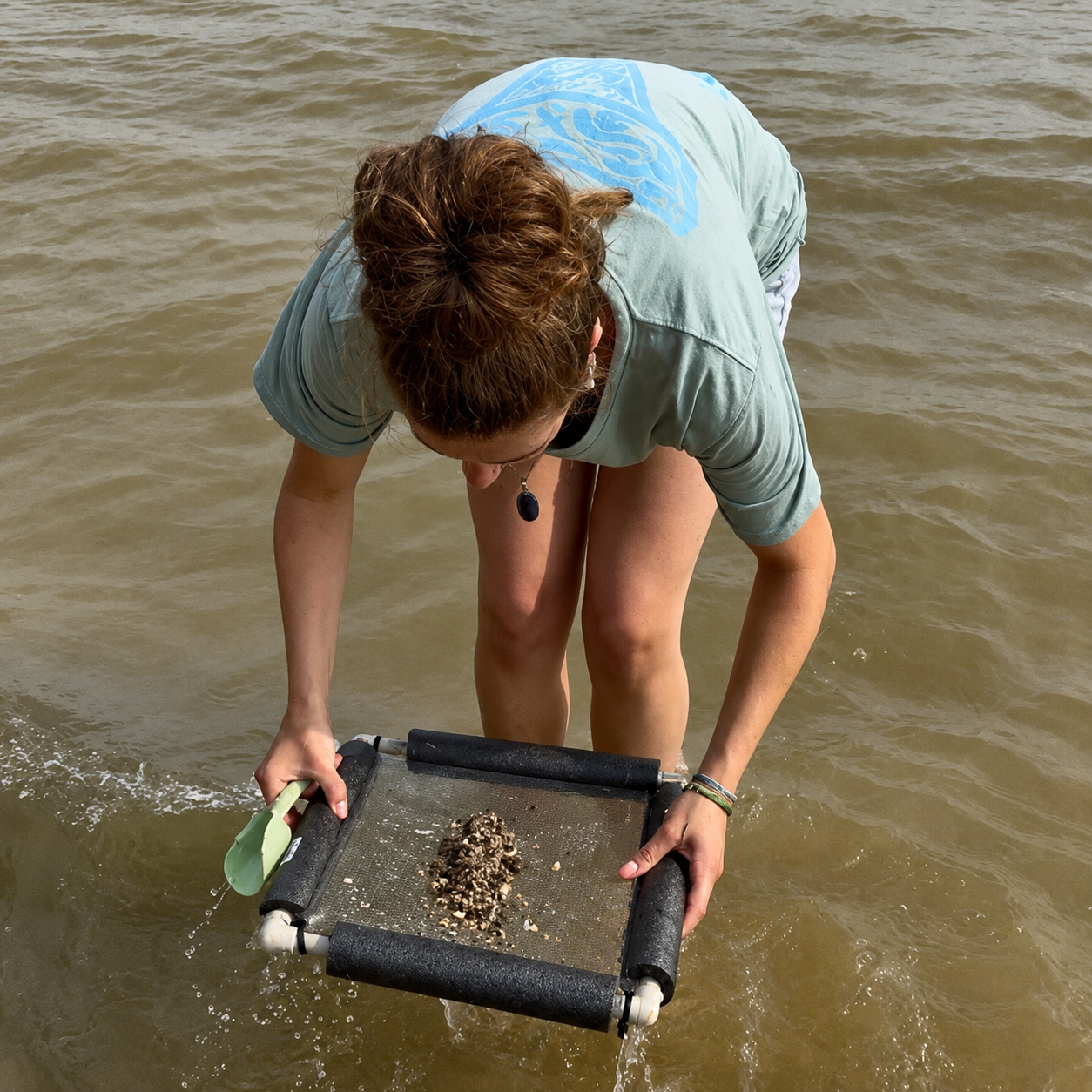
Using your sand sifter is simple. Scoop a shovel full of sand and sediment onto the mesh screen, then gently shake the sifter back and forth in the water. As the sand washes away through the mesh, you’ll be left with larger shells, rocks, and other debris. Take your time sorting through what’s left. One of the easiest ways to spot a shark tooth is to look for small black triangles hiding among the shells.
Remember, every scoop is different! Along with shark teeth, you may discover fossilized shells, stingray plates, whale bones, and other incredible pieces of Southern Maryland’s prehistoric past.
Happy hunting, and enjoy the adventure! You never know what millions of years of history are waiting for you just beneath the sand.
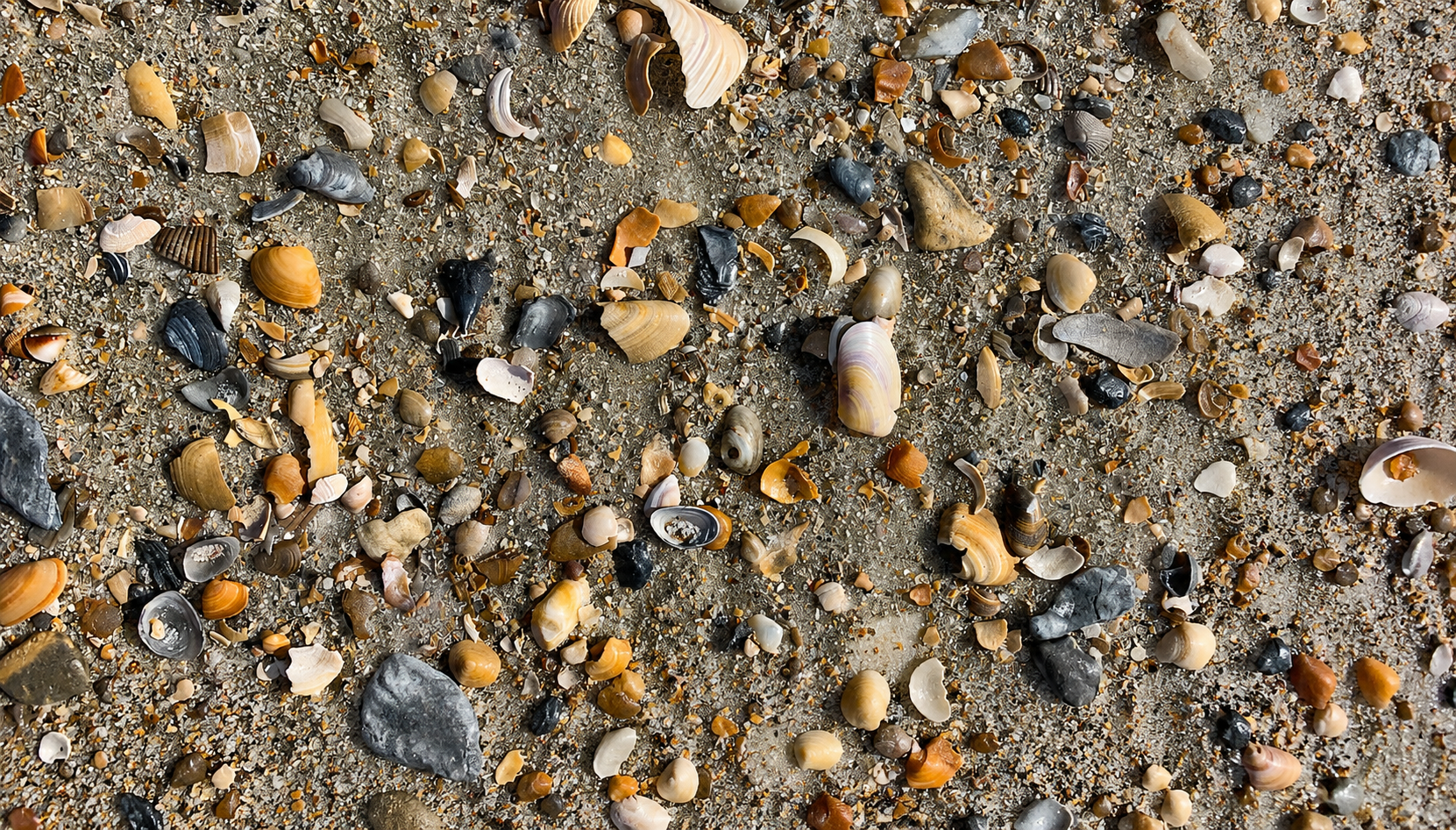
Spot the shark tooth!
Identifying Your Shark Tooth Finds
Now that you’ve found some shark teeth, you might be wondering, what kind of shark did these come from?
Southern Maryland is home to an incredible variety of fossilized shark teeth. Some of the most common finds come from Bull Sharks, Lemon Sharks, Snaggletooth Sharks, Sand Tiger Sharks, and Hammerhead Sharks.
If you’re especially lucky, you may even discover a Megalodon tooth! These legendary teeth typically range from 1½ inches to more than 7 inches long and are much rarer than other shark teeth because they come from the extinct Megalodon, one of the largest predators to have ever lived. Megalodon teeth are easy to recognize by their large size and the distinct dark line between the root and the enamel, known as the bourlette.
Every trip to the beach is different, and you never know what prehistoric treasure you might uncover. Use this identification chart to compare your finds and see which ancient shark once called Southern Maryland home. Happy fossil hunting!
Other Beach Trip Essentials
Now that you’re ready for your fossil-finding adventure, let’s make sure you have everything you need for the perfect beach day!
Start with the essentials: sun protection and insect repellent. Spending hours searching the shoreline is much more enjoyable when you’re protected from the sun and biting insects. At Sneade’s, you’ll find trusted brands like Banana Boat®, Coppertone®, and Cutter®, along with a variety of baseball caps and wide-brim sun hats to help keep you cool and protected throughout the day.
Don’t forget to stay hydrated! Whether you’re planning a quick morning hunt or an all-day adventure, packing plenty of water and snacks is a must. We carry premium drinkware and coolers from YETI®, Stanley®, and Swig Life® to keep your drinks ice cold and your food fresh from sunrise to sunset.
Before heading out, stop by your local Sneade’s Ace Home Center to stock up on all your beach-day essentials. We’ll help you spend less time worrying about what you forgot and more time discovering the prehistoric treasures waiting along Southern Maryland’s shoreline. Happy hunting!
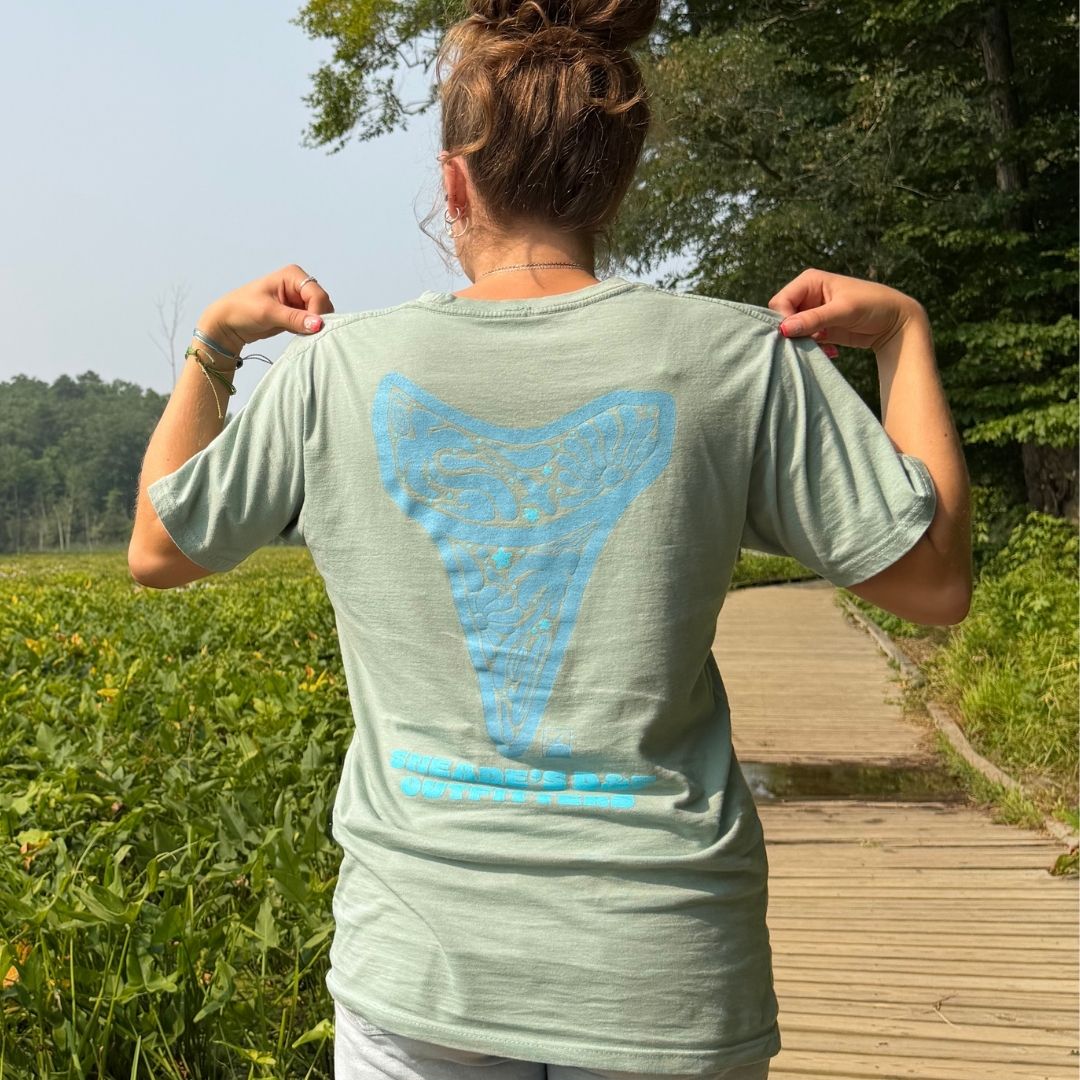
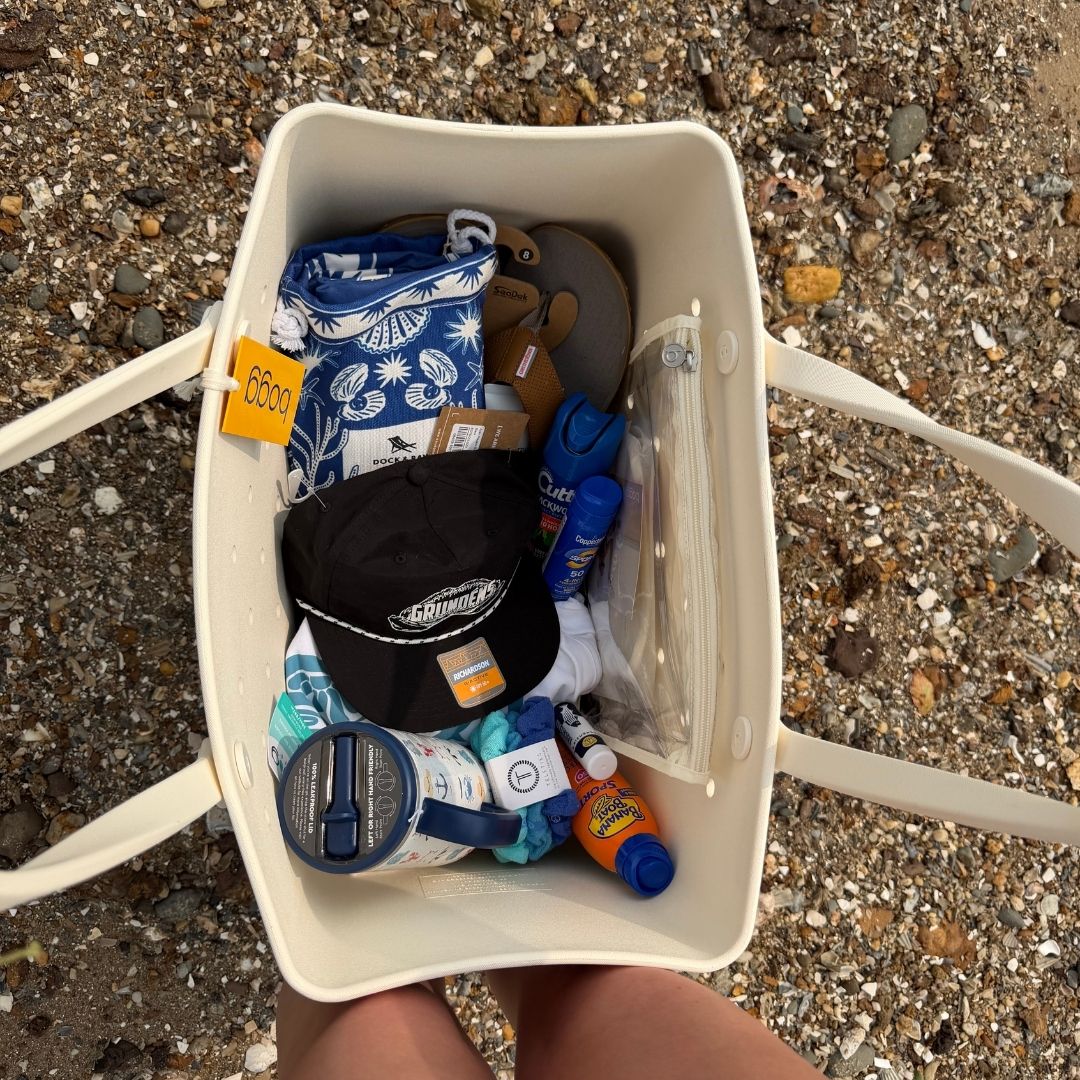
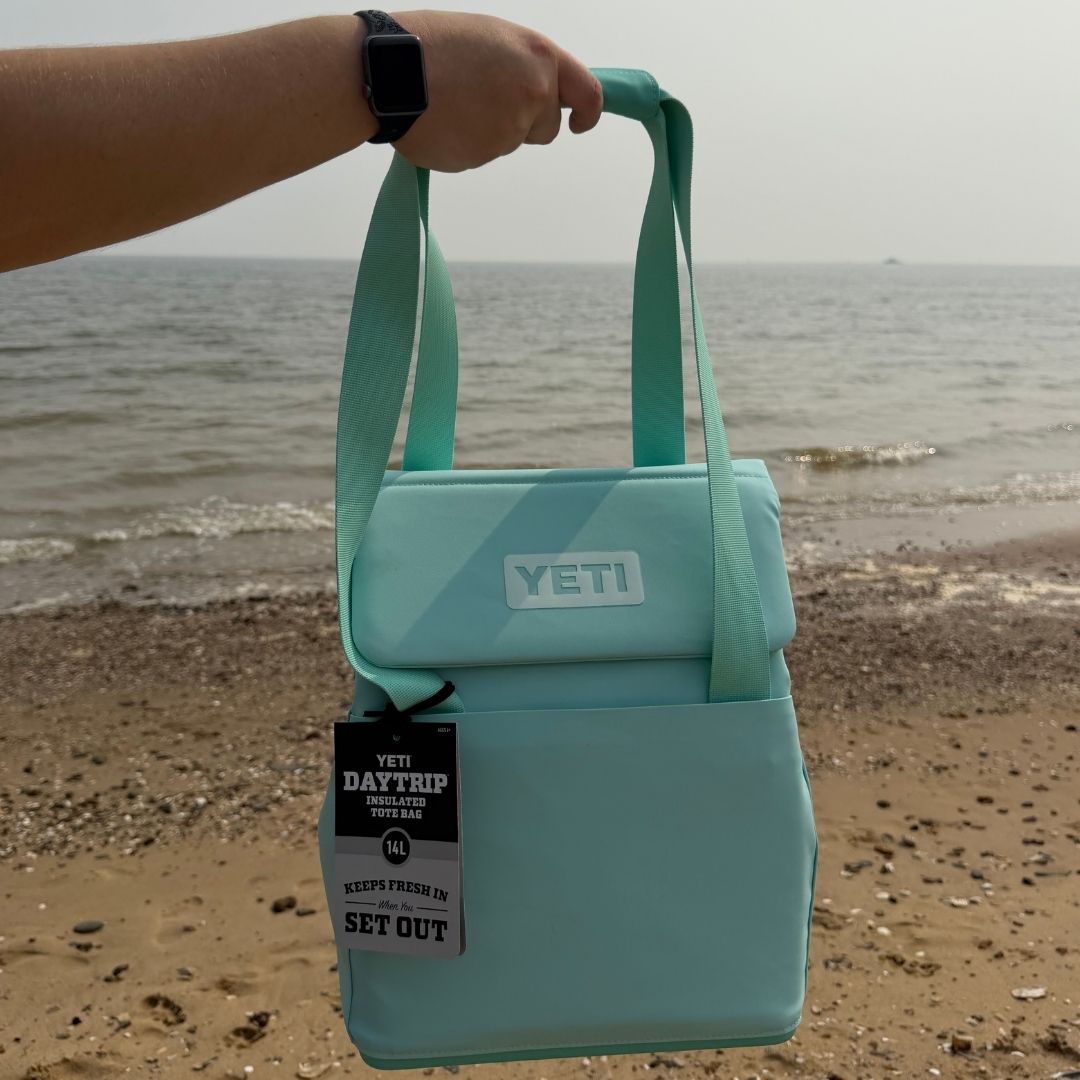
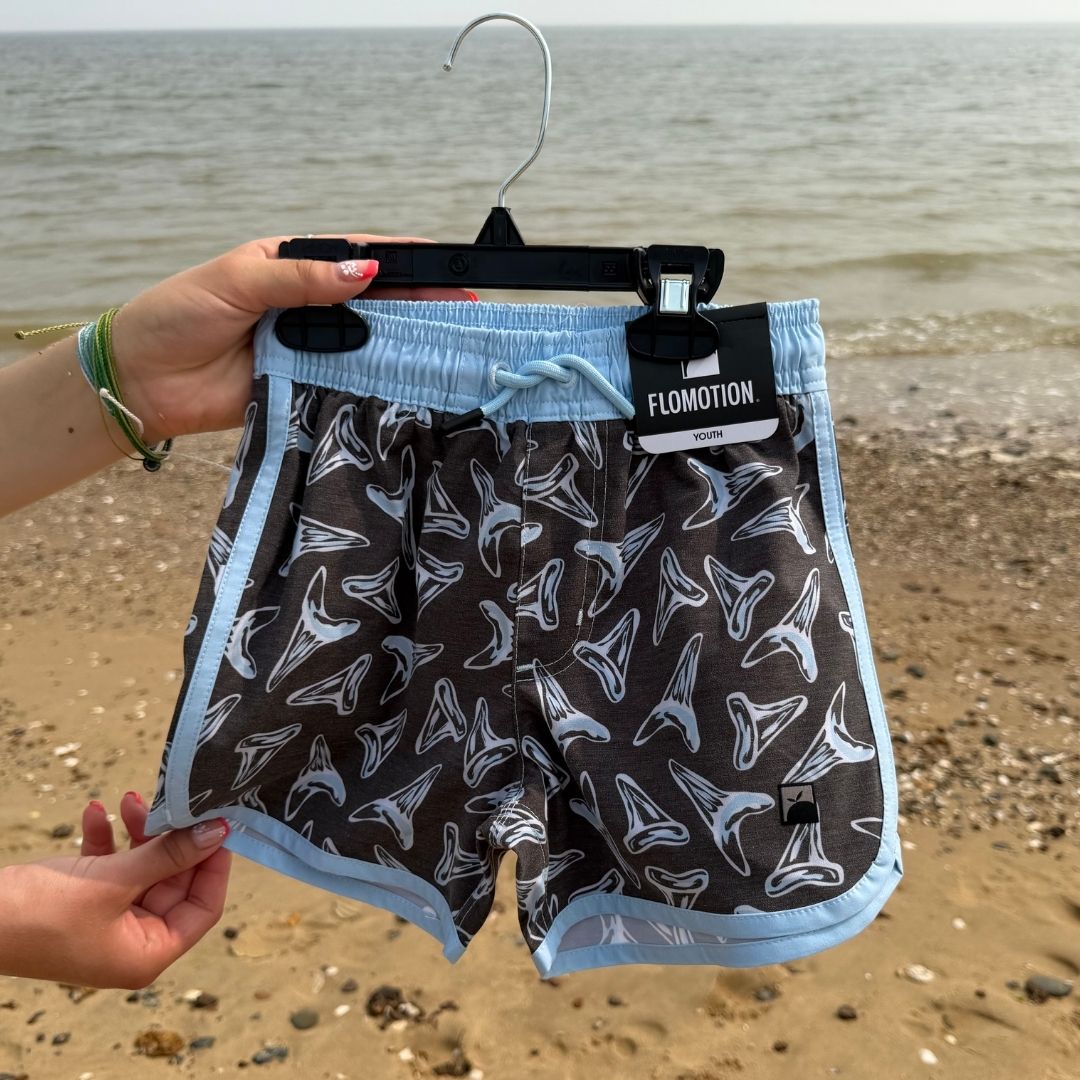
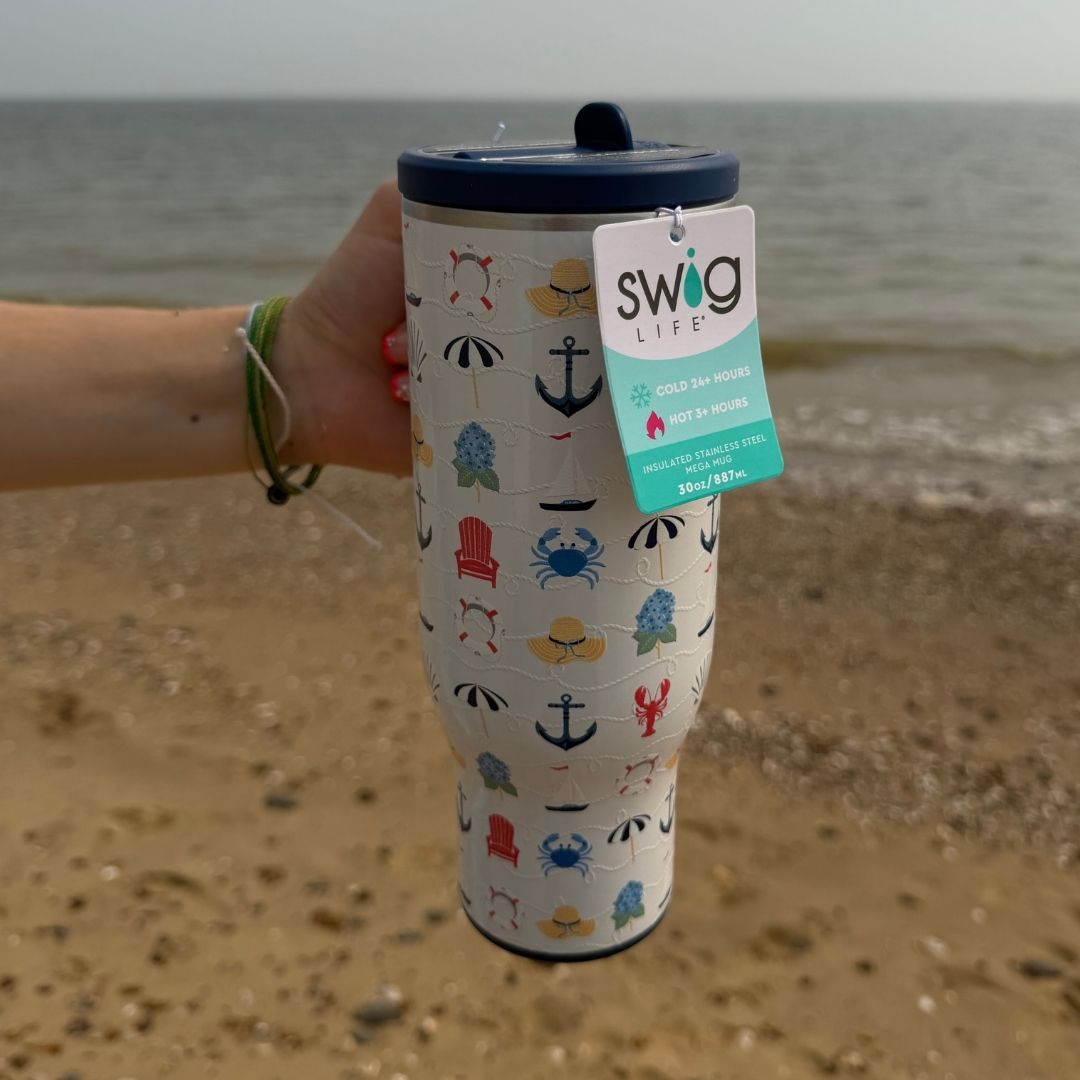
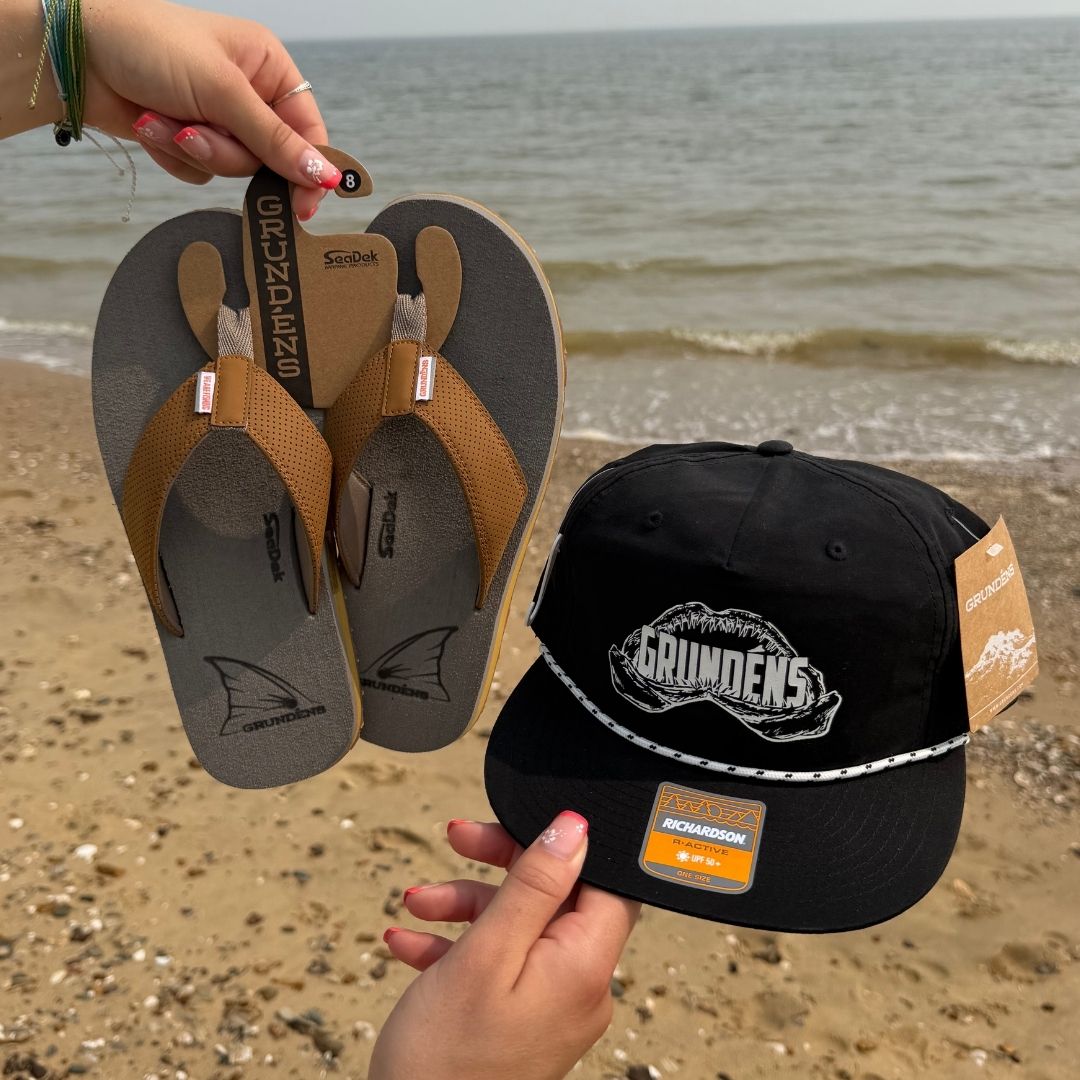
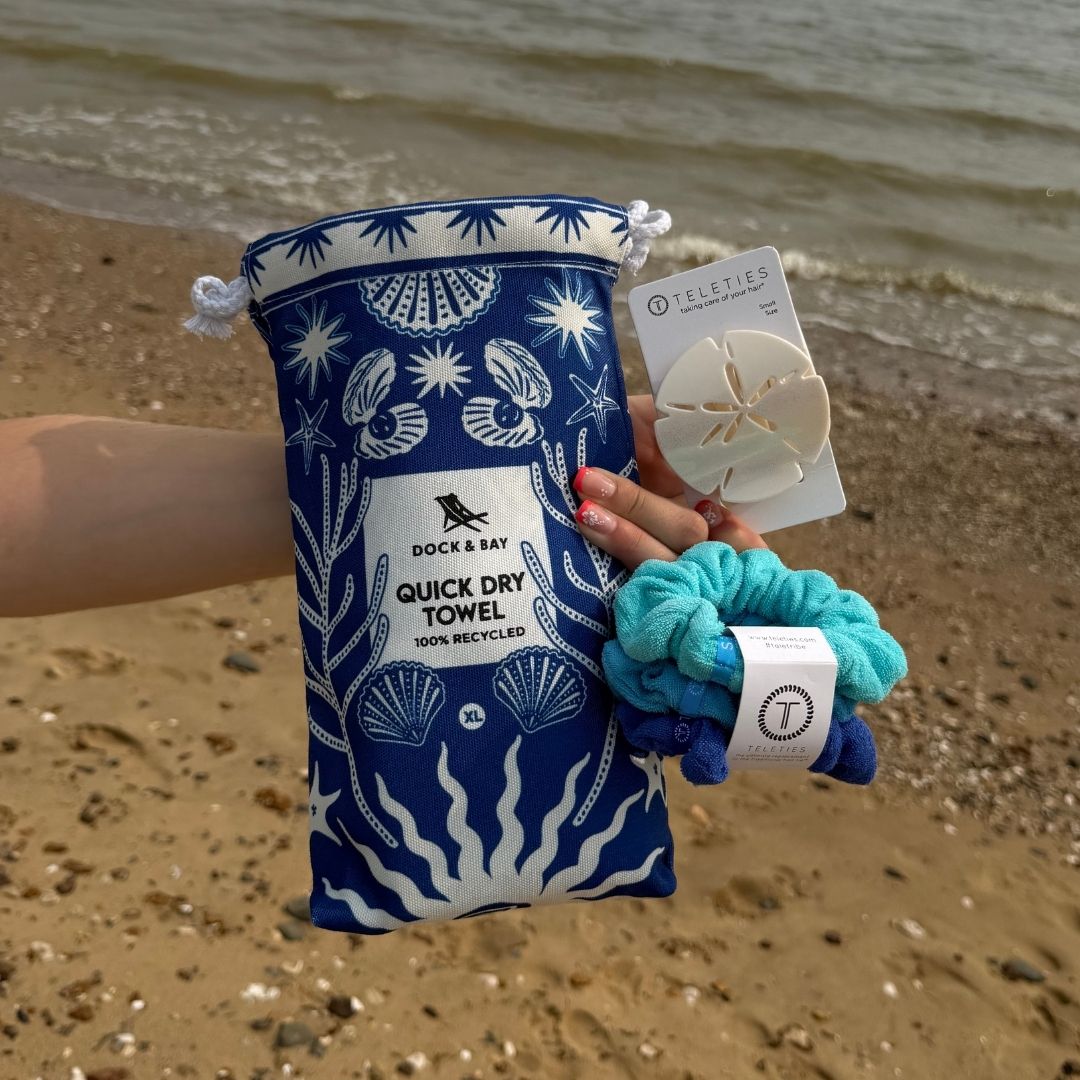
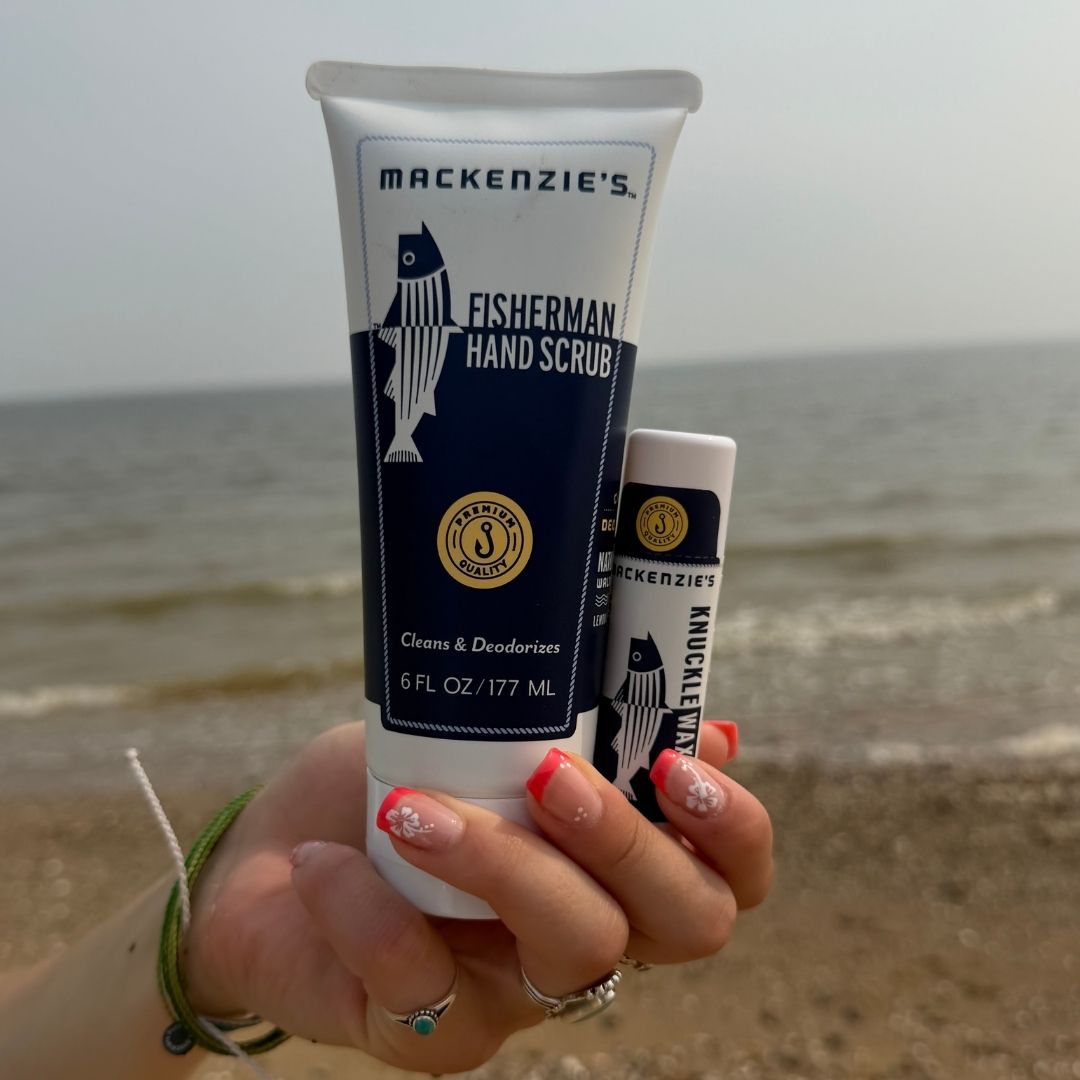
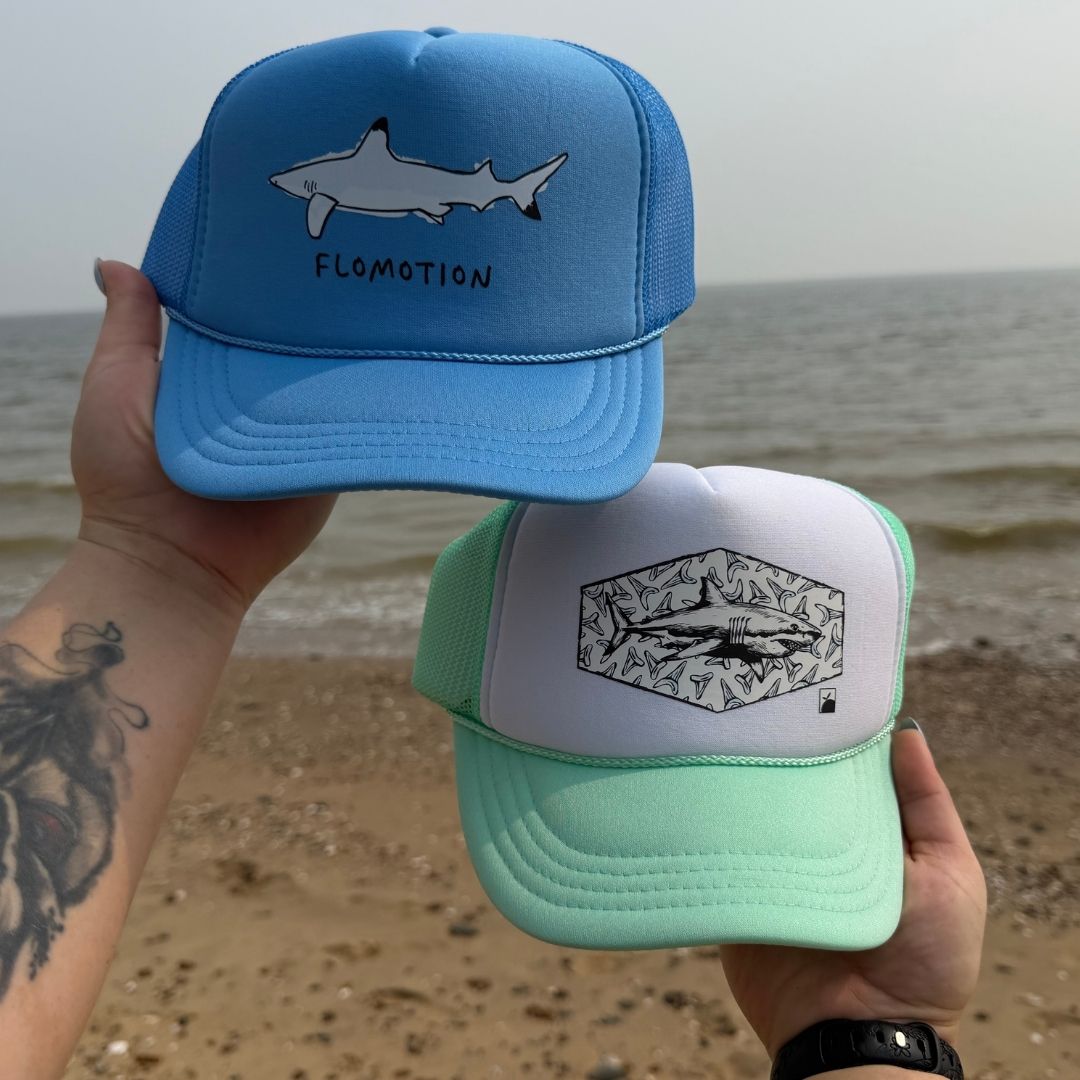
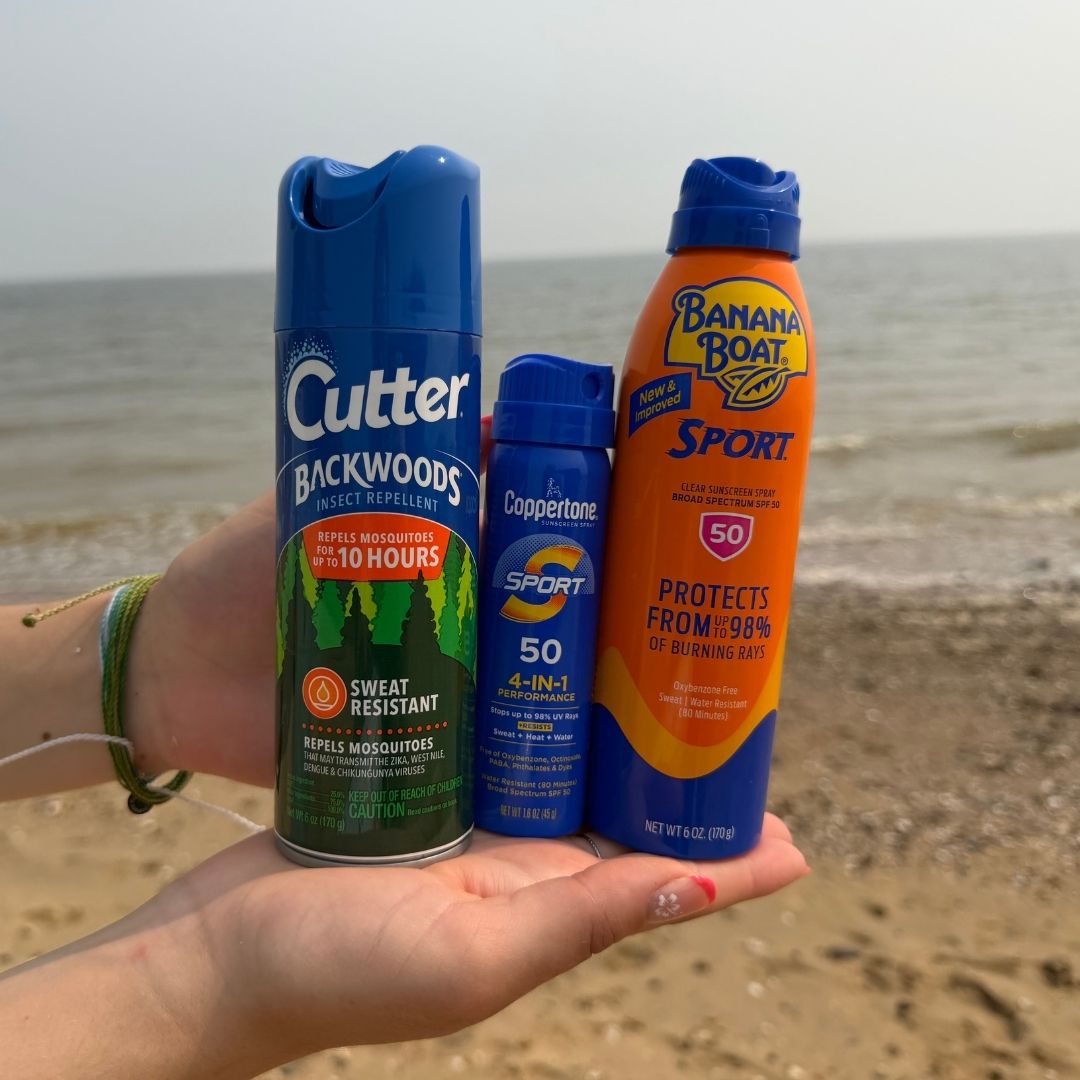
Some items pictured are available exclusively at our Prince Frederick location, Sneade’s Dock & Field Outfitters.
Product availability may vary by location and is subject to change.